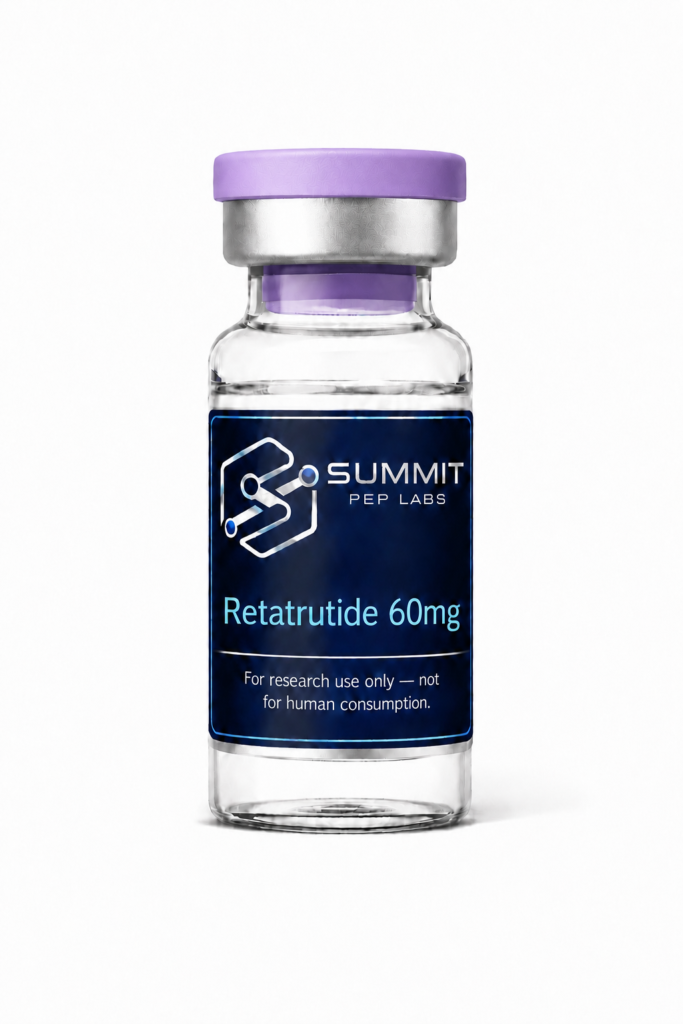
🧬 Retatrutide Side Effects
What Current Research Says About the Safety Profile of Retatrutide
Research Use Only
Retatrutide is an investigational peptide currently being studied in laboratory and clinical research settings. This article is intended for educational purposes and summarizes findings reported in scientific research. It is not medical advice.
🔬 What Are the Side Effects of Retatrutide?
One of the most frequently searched questions about this investigational peptide is:
“What are the side effects of Retatrutide?”
As Retatrutide has gained attention for its unique triple agonist mechanism, researchers have also focused on understanding its safety profile and tolerability.
Like many compounds that interact with incretin pathways, the most commonly reported side effects in clinical research have involved the gastrointestinal (GI) system.
Researchers continue evaluating both short-term and long-term safety as additional studies become available.
📊 Most Commonly Reported Side Effects
Based on published clinical research, the most frequently reported side effects have included:
| Reported Effect | Research Notes |
|---|---|
| 🤢 Nausea | Frequently reported, particularly during dose escalation |
| 💨 Diarrhea | Common gastrointestinal finding |
| 🤮 Vomiting | Reported in some study participants |
| 🤕 Abdominal discomfort | Observed during treatment in some individuals |
| 🍽️ Reduced appetite | Consistent with the compound’s mechanism of action |
| 💩 Constipation | Reported in some research participants |
Most reported events were described in research as mild to moderate in severity, although individual experiences varied across studies.
🧪 Why Do Gastrointestinal Side Effects Occur?
Retatrutide activates three different receptor systems:
✅ GLP-1
✅ GIP
✅ Glucagon
Researchers believe that activation of these metabolic pathways may influence:
- Gastric emptying
- Appetite regulation
- Digestive signaling
- Hormonal communication
- Energy metabolism
Because of these biological effects, gastrointestinal symptoms are commonly monitored throughout clinical research.
⚙️ Understanding Dose Escalation
Many Retatrutide studies have used gradual dose-escalation protocols rather than introducing higher doses immediately.
Researchers frequently evaluate this approach because it may improve tolerability while allowing participants to adapt to the compound over time.
This gradual increase has become a common feature of research involving incretin-based peptides.
📈 Side Effects Compared with Other Incretin Compounds
Researchers often compare Retatrutide with earlier investigational compounds.
| Compound | Primary Reported Side Effects |
|---|---|
| Semaglutide | Nausea, vomiting, diarrhea, constipation |
| Tirzepatide | Gastrointestinal symptoms similar to GLP-1 agonists |
| Retatrutide | Similar gastrointestinal profile currently being investigated |
Although the mechanisms differ, researchers continue evaluating similarities and differences in tolerability among these compounds.
🧬 Why Researchers Continue Studying Retatrutide
Despite the reported gastrointestinal effects observed during research, Retatrutide continues to receive significant scientific attention because of its triple receptor activity.
Researchers continue investigating its involvement in:
- ⚡ Energy metabolism
- 🔥 Energy expenditure
- ⚖️ Body composition
- 🧬 Hormonal regulation
- 🍽️ Appetite signaling
- 🔄 Metabolic flexibility
Its unique mechanism remains one of the primary reasons interest continues to grow.
📚 How Researchers Evaluate Safety
Clinical studies commonly monitor participants for:
- Overall tolerability
- Gastrointestinal events
- Laboratory values
- Cardiovascular measurements
- Adverse event reporting
- Changes over time
Safety monitoring remains an essential component of ongoing Retatrutide research.
📋 Quick Safety Overview
| Category | Current Research |
|---|---|
| Research Status | Investigational |
| Most Common Findings | Gastrointestinal symptoms |
| Frequently Reported | Nausea, diarrhea, vomiting, constipation |
| Monitoring | Ongoing clinical research |
| Long-Term Safety | Continues to be evaluated |
🌎 Why Safety Research Is Important
Every investigational compound undergoes extensive evaluation before researchers fully understand its safety profile.
For Retatrutide, scientists continue studying:
- Long-term tolerability
- Dose-response relationships
- Safety across different populations
- Overall adverse event frequency
- Biological mechanisms behind reported effects
As new clinical data becomes available, researchers continue refining their understanding of the compound.
❓ Frequently Asked Questions
What are the most common Retatrutide side effects?
Current research most commonly reports gastrointestinal symptoms such as nausea, diarrhea, vomiting, constipation, and abdominal discomfort. These findings have been observed in clinical studies evaluating Retatrutide.
Does everyone experience side effects?
No. Individual responses reported in research have varied. Not every participant experienced adverse events, and reported symptoms differed in both frequency and severity.
Why does Retatrutide cause nausea?
Researchers believe nausea may be related to the peptide’s effects on GLP-1, GIP, and glucagon signaling, which influence appetite regulation, digestive processes, and gastric emptying.
Are Retatrutide side effects permanent?
Current research primarily reports gastrointestinal symptoms occurring during treatment, particularly during dose escalation. Long-term safety continues to be evaluated in ongoing studies.
Is Retatrutide considered safe?
Retatrutide remains an investigational compound. Researchers continue studying its safety profile through clinical trials, and additional data will further clarify its overall tolerability.
🏁 Final Thoughts
If you’ve been searching for Retatrutide side effects, current research suggests that the most commonly reported findings involve the gastrointestinal system, including nausea, diarrhea, vomiting, constipation, and abdominal discomfort.
These observations are generally consistent with other incretin-based compounds and continue to be carefully evaluated as research progresses.
As Retatrutide remains under investigation, ongoing clinical studies will continue expanding our understanding of its safety profile, tolerability, and biological effects.
Disclaimer: Retatrutide products are intended for laboratory research only. They are not approved for human consumption and are not intended to diagnose, treat, cure, or prevent any disease. This article summarizes information from published research and should not be interpreted as medical advice.
Retatrutide Product Page
Retatrutide Research
Retatrutide Article