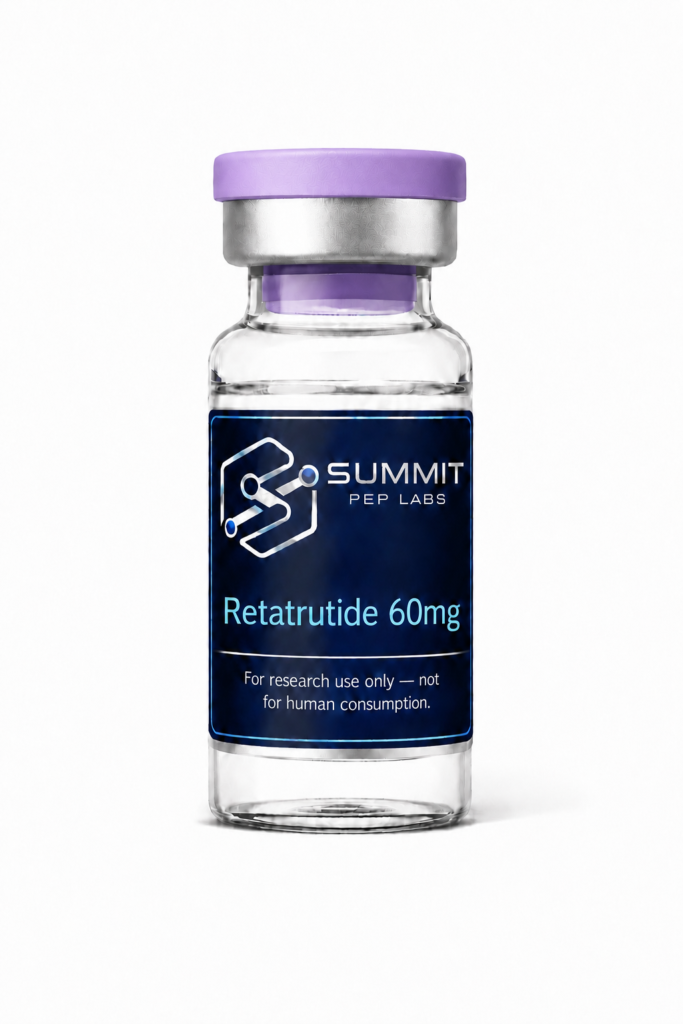
🧬 Retatrutide vs CagriSema
Understanding the Differences Between Two Next-Generation Metabolic Research Compounds
Research Use Only
Retatrutide and CagriSema are investigational compounds currently being studied in metabolic and obesity-related research. This article is intended for educational purposes only. Research-grade compounds are not approved for human consumption and are not intended to diagnose, treat, cure, or prevent any disease.
🔬 Introduction
As the field of metabolic peptide research continues to evolve, two investigational compounds have emerged as leading topics of discussion among researchers: Retatrutide and CagriSema.
Both are designed to interact with biological pathways involved in appetite regulation, energy balance, and metabolism, but they achieve these effects through fundamentally different mechanisms.
Retatrutide is a single molecule that activates three hormone receptors simultaneously, while CagriSema combines two separate compounds into one investigational therapy.
Understanding these differences helps explain why both compounds have attracted significant attention in current metabolic research.
In this guide, we’ll compare Retatrutide and CagriSema by examining:
- 🧬 Mechanisms of action
- 🔄 Receptor targets
- 📊 Current clinical research
- ⚡ Potential research applications
- 🔬 Key differences researchers are investigating
📊 Retatrutide vs CagriSema Comparison
| Feature | Retatrutide | CagriSema |
|---|---|---|
| Compound Type | Triple receptor agonist | Fixed-dose combination |
| Primary Targets | GLP-1 + GIP + Glucagon | GLP-1 + Amylin |
| Components | Single peptide | Semaglutide + Cagrilintide |
| Current Status | Investigational | Investigational |
| Primary Research Areas | Metabolic signaling, energy expenditure, body composition | Appetite regulation, satiety, metabolic signaling |
🧬 What Is Retatrutide?
Retatrutide is an investigational peptide developed to activate three separate hormone receptors using a single molecule.
Researchers continue studying Retatrutide because it targets:
- 🟢 GLP-1 receptors
- 🔵 GIP receptors
- 🟠 Glucagon receptors
This combination is often referred to as triple agonism.
The addition of glucagon receptor activity distinguishes Retatrutide from earlier incretin-based compounds and has made it one of the most actively studied peptides in metabolic research.
Current investigations focus on:
- Energy balance
- Metabolic flexibility
- Body composition
- Endocrine signaling
- Cardiometabolic physiology
⚖️ What Is CagriSema?
CagriSema is an investigational combination therapy consisting of two distinct molecules:
- Semaglutide – a GLP-1 receptor agonist
- Cagrilintide – a long-acting amylin analogue
Unlike Retatrutide, which combines multiple receptor activities within one peptide, CagriSema delivers two complementary compounds designed to engage different physiological pathways.
Researchers are studying CagriSema for its effects on:
- Appetite signaling
- Satiety pathways
- Food intake regulation
- Glucose-dependent metabolic processes
The inclusion of cagrilintide has generated interest because amylin plays a role in regulating gastric emptying and feelings of fullness.
🔍 Understanding Their Mechanisms
Although both compounds are investigated for metabolism-related research, their biological strategies differ significantly.
🧬 Retatrutide
Retatrutide acts on three receptors simultaneously:
- GLP-1
- GIP
- Glucagon
Researchers continue investigating whether activating these pathways together may influence metabolic regulation differently than earlier incretin therapies.
🧬 CagriSema
CagriSema combines:
- GLP-1 receptor activation through semaglutide
- Amylin receptor activity through cagrilintide
Rather than adding another incretin receptor, CagriSema introduces an entirely different hormonal pathway associated with satiety and meal-related signaling.
📈 Current Clinical Research
Both Retatrutide and CagriSema remain under active clinical investigation.
Retatrutide Research
Clinical studies continue evaluating:
- Body composition
- Energy metabolism
- Cardiometabolic biomarkers
- Hormonal regulation
- Long-term metabolic outcomes
Its triple receptor mechanism makes it one of the most novel investigational compounds in development.
CagriSema Research
Current trials are exploring:
- Appetite regulation
- Satiety signaling
- Weight-management research models
- Glucose metabolism
- Long-term metabolic outcomes
Researchers are particularly interested in whether combining semaglutide with an amylin analogue produces complementary biological effects.
🧪 Triple Agonist vs Combination Therapy
One of the biggest distinctions between these compounds is how they are designed.
Retatrutide
✔ One molecule
✔ Three receptor targets
✔ Triple agonist
CagriSema
✔ Two separate molecules
✔ Two biological pathways
✔ Combination investigational therapy
Although both compounds seek to influence metabolic regulation, they approach this objective through different molecular designs.
⚡ Why Researchers Are Interested
Interest in both compounds extends beyond traditional incretin research.
Scientists continue exploring questions such as:
- How do multiple signaling pathways interact?
- Can combining hormonal mechanisms produce different biological responses?
- How does receptor diversity influence metabolic adaptation?
- What role do glucagon and amylin play alongside GLP-1?
These questions remain central to ongoing research in endocrinology and metabolic physiology.
📊 Side-by-Side Comparison
| Characteristic | Retatrutide | CagriSema |
|---|---|---|
| GLP-1 Activity | ✅ | ✅ |
| GIP Activity | ✅ | ❌ |
| Glucagon Activity | ✅ | ❌ |
| Amylin Activity | ❌ | ✅ |
| Triple Agonist | ✅ | ❌ |
| Combination Product | ❌ | ✅ |
🌎 The Future of Metabolic Research
Retatrutide and CagriSema illustrate two different directions in peptide development.
One approach focuses on designing a single molecule capable of engaging multiple receptors, while the other combines well-characterized compounds with complementary mechanisms.
As clinical research progresses, these investigational therapies may continue to expand scientific understanding of:
- Hormonal signaling
- Energy homeostasis
- Appetite regulation
- Metabolic flexibility
- Endocrine physiology
Regardless of their different mechanisms, both compounds represent significant advances in the study of metabolic biology.
❓ Frequently Asked Questions
Is Retatrutide the same as CagriSema?
No. Retatrutide is a single investigational peptide that activates GLP-1, GIP, and glucagon receptors, whereas CagriSema combines semaglutide and cagrilintide, targeting GLP-1 and amylin-related pathways.
Which targets more receptors?
Retatrutide targets three receptors (GLP-1, GIP, and glucagon), while CagriSema combines GLP-1 receptor activation with an amylin analogue.
Are Retatrutide and CagriSema approved?
Both remain under clinical investigation, and their regulatory status depends on the jurisdiction and the outcome of ongoing clinical development. Researchers should consult the latest regulatory updates and published trial data for current information.
Why are researchers comparing these compounds?
Both are being studied for metabolism-related applications but represent different scientific approaches. Comparing them helps researchers better understand how distinct hormonal pathways contribute to metabolic regulation.
Is research-grade Retatrutide or CagriSema intended for human use?
No. Research-grade compounds are intended strictly for laboratory research and are not approved for human consumption.
📚 Current Research
Recent peer-reviewed publications continue to expand scientific understanding of both investigational therapies.
A Phase 3 clinical trial published in The Lancet evaluated Retatrutide in adults with obesity, contributing to the growing body of evidence surrounding its triple agonist mechanism and metabolic effects.
A separate Phase 3a study published in The Lancet Diabetes & Endocrinology examined CagriSema, investigating the combined effects of semaglutide and cagrilintide in obesity research.
These studies represent important milestones in the ongoing investigation of next-generation metabolic therapies.
References
- Jastreboff AM, et al. Retatrutide for obesity: Phase 3 clinical trial. The Lancet. Available via PubMed: https://pubmed.ncbi.nlm.nih.gov/42250575/
- Lau DCW, et al. CagriSema in adults with overweight or obesity (REDEFINE 1). The Lancet Diabetes & Endocrinology. Available via PubMed: https://pubmed.ncbi.nlm.nih.gov/42251860/
🏁 Final Thoughts
Retatrutide and CagriSema represent two distinct approaches to advancing metabolic research. Retatrutide investigates the potential of triple receptor activation within a single peptide, while CagriSema combines GLP-1 receptor agonism with an amylin analogue to explore complementary hormonal pathways.
Although their mechanisms differ, both compounds continue to contribute valuable insights into appetite regulation, energy balance, and metabolic physiology. As additional peer-reviewed studies are published, researchers will gain a clearer understanding of how these investigational therapies compare and where each may fit within the broader landscape of metabolic science.