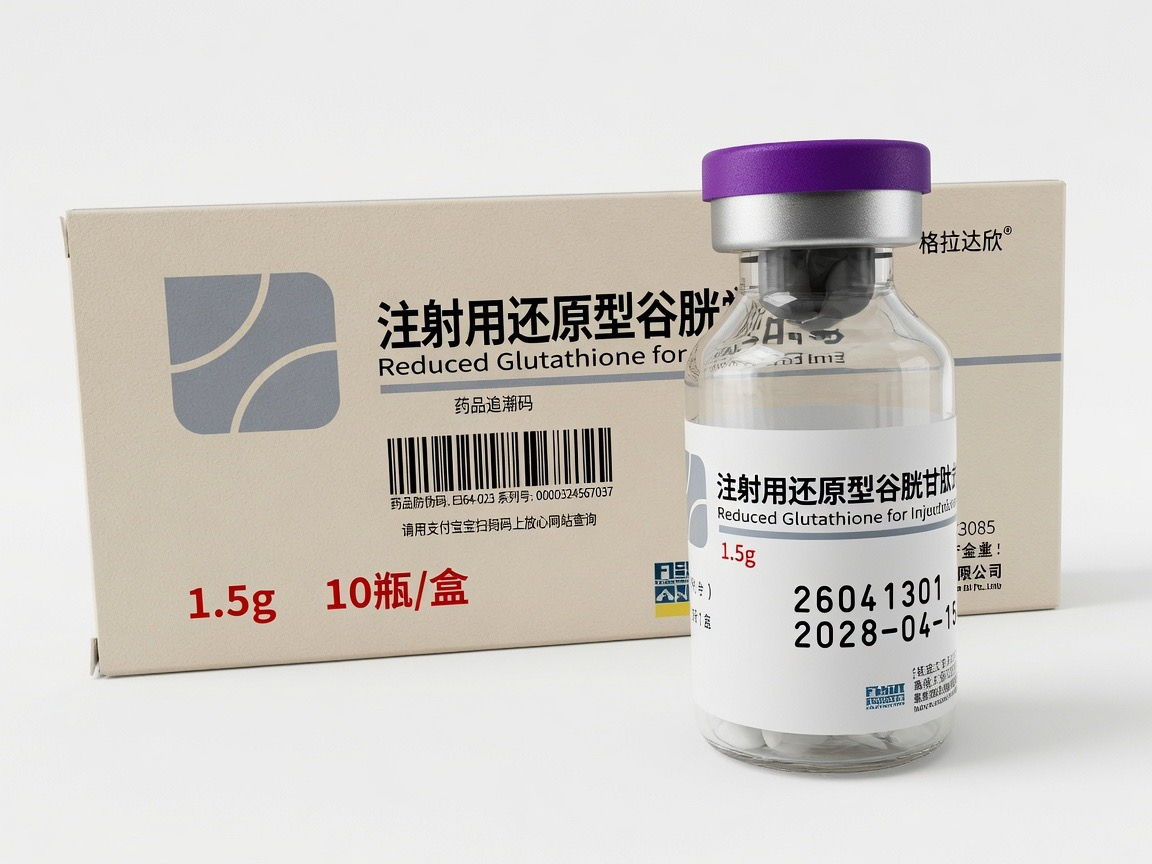
High-purity L-Glutathione (reduced) for laboratory research. ≥99% HPLC verified. Available now at Summit Pep Labs.
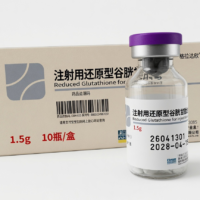
Glutathione 1500mg – Research Grade
Glutathione (RUO) | High Purity ≥99% | Research Grade
Product Specifications
| Specification | Details |
|---|---|
| Product Name | L-Glutathione (Reduced) |
| Peptide Type | Tripeptide (γ-L-Glutamyl-L-cysteinylglycine) |
| CAS Number | 70-18-8 |
| Molecular Formula | C₁₀H₁₇N₃O₆S |
| Molecular Weight | 307.32 Da |
| Form | Lyophilized Powder |
| Purity | ≥99% (HPLC Verified) |
| Identity Confirmation | HPLC / LC-MS Verified Per Batch |
| Solubility | Sterile Water or Bacteriostatic Water |
| Storage | −20°C, Protected from Light and Moisture |
What Is Glutathione?
L-Glutathione (reduced), commonly referred to as GSH, is a naturally occurring tripeptide composed of the amino acids glutamic acid, cysteine, and glycine. It is one of the most abundant intracellular antioxidants found in nearly all mammalian cells and plays a central role in cellular redox homeostasis.
Identified by CAS Number 70-18-8, Glutathione is widely studied in laboratory and preclinical research for its involvement in oxidative stress regulation, detoxification pathways, and maintenance of the cellular thiol-disulfide balance. The reduced form (GSH) is the biologically active species that participates in neutralizing reactive oxygen species and supporting phase II conjugation reactions.
Manufactured under controlled conditions and supplied in lyophilized form, this research-grade Glutathione is intended for qualified researchers requiring high-purity, batch-consistent material for controlled experimental studies.
This product is clearly labeled and distributed strictly as a Research Use Only (RUO) material and is not approved for human or veterinary use.
Experimental Research Applications
In scientific literature, Glutathione has been investigated in a variety of experimental settings, including:
- Cellular redox balance and oxidative stress models
- Antioxidant capacity and free radical scavenging studies
- Detoxification and phase II conjugation pathway research
- Mitochondrial function and cellular energy metabolism studies
- Inflammatory and immune response research models
- Heavy metal chelation and toxicology research
- Skin pigmentation and melanogenesis pathway investigations
- Comparative studies of reduced (GSH) versus oxidized (GSSG) glutathione
These studies are conducted exclusively within laboratory and preclinical environments and are intended for mechanistic and observational research purposes.
Purity and Quality Control
Each batch of Glutathione undergoes analytical testing to ensure:
✔ ≥99% purity verified by HPLC ✔ Identity confirmation by HPLC / LC-MS per batch ✔ Batch-to-batch consistency ✔ Professional documentation and traceability ✔ Controlled manufacturing standards ✔ Reliable performance for repeatable research applications
High analytical purity and strict quality control procedures help provide researchers with confidence in the consistency and reliability of each batch.
Key Research Features
- Naturally occurring tripeptide antioxidant
- Critical role in cellular redox homeostasis
- ≥99% HPLC-verified purity
- Lyophilized powder format for stability
- Suitable for in vitro and preclinical research
- Batch-tested for consistency
- Research-grade manufacturing standards
- Professionally labeled and documented
Storage Recommendations
To maintain product stability and research integrity, Glutathione should be:
- Stored at −20°C in a tightly sealed container
- Protected from light and moisture
- Reconstituted in sterile or bacteriostatic water
- Kept sealed until use
- Handled according to standard laboratory procedures
- Used promptly after reconstitution (reduced glutathione is sensitive to oxidation once in solution)
- Not subjected to repeated freeze-thaw cycles
Toxicology and Regulatory Information
- Not FDA-approved for any therapeutic indication
- Supplied strictly as a Research Use Only (RUO) material
- Intended exclusively for laboratory research by qualified professionals
Why Choose Summit Pep Labs?
At Summit Pep Labs, we are committed to supplying researchers with premium-quality compounds manufactured to rigorous analytical standards.
Why Researchers Choose Summit Pep Labs
- ≥99% HPLC-verified purity
- Batch-specific identity confirmation
- Batch consistency and traceability
- Professional labeling and packaging
- Research-grade manufacturing standards
- Secure cold-chain shipping and quality assurance
- Commitment to reproducibility and reliability
Frequently Asked Questions
What is Glutathione? L-Glutathione (reduced) is a tripeptide composed of glutamic acid, cysteine, and glycine. It is the primary intracellular antioxidant in most mammalian cells and is extensively studied in research related to oxidative stress, detoxification, and cellular redox regulation.
What is the difference between reduced and oxidized Glutathione? Reduced Glutathione (GSH) is the active form that donates electrons to neutralize free radicals. Oxidized Glutathione (GSSG) is the disulfide form. The GSH:GSSG ratio is a key indicator of cellular oxidative status in research models.
Is Glutathione approved for human use? No. This product is supplied exclusively as a Research Use Only (RUO) material and is not approved for human consumption, therapeutic use, or any clinical application.
What purity does Summit Pep Labs provide? Each batch is tested and verified to contain ≥99% purity using HPLC analytical methods, with identity confirmation performed per batch.
How is Glutathione supplied? Glutathione is supplied as a lyophilized powder packaged according to professional research standards.
How should Glutathione be stored? Store at −20°C, protected from light and moisture. Reconstitute with sterile or bacteriostatic water. Because reduced glutathione is oxidation-sensitive once in solution, it is recommended to use reconstituted material promptly and minimize air exposure.
References
- Meister A, Anderson ME. Glutathione. Annu Rev Biochem. 1983
- Forman HJ et al. Glutathione: Overview of its protective roles, measurement, and biosynthesis. Mol Aspects Med. 2009
- PubChem Compound Summary — Glutathione. CID 124886
- National Center for Biotechnology Information (NCBI)
- U.S. Food and Drug Administration (FDA) — Research Use Only Framework
Research Use Only Disclaimer
For Research Use Only (RUO).
This product is intended strictly for laboratory and scientific research purposes. It is not intended for human consumption, veterinary use, cosmetic applications, therapeutic use, or diagnostic purposes.
By purchasing this product, customers acknowledge that they are qualified researchers and agree to use these materials in accordance with all applicable laws and regulations.
These statements have not been evaluated by the Food and Drug Administration. This product is not intended to diagnose, treat, cure, or prevent any disease.
Reviews
There are no reviews yet.