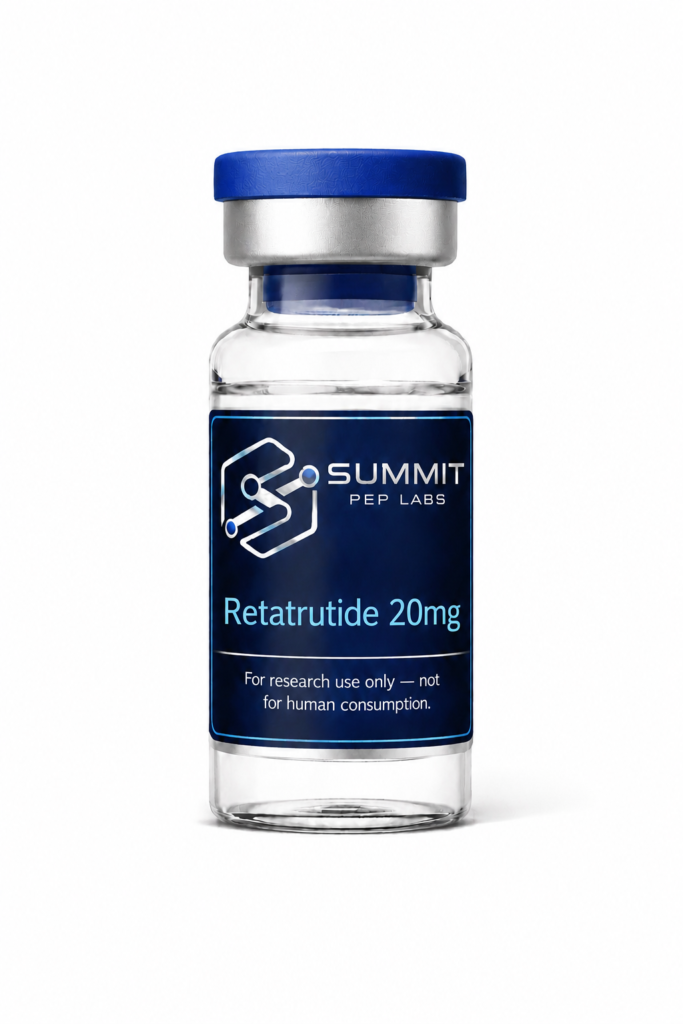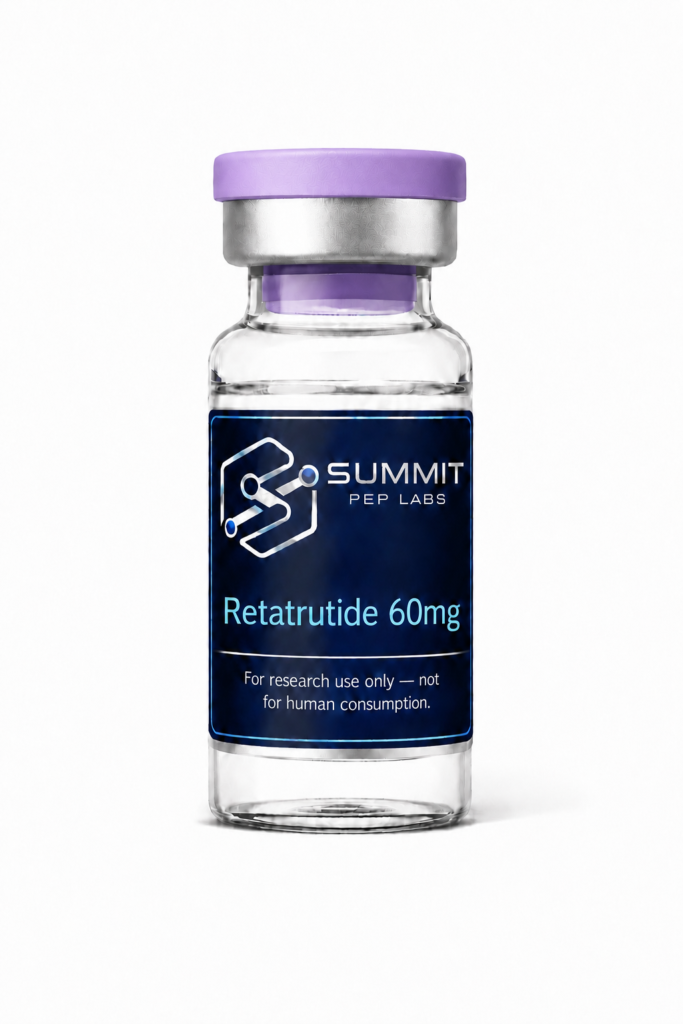
Obesity is increasingly recognized as a chronic disease that affects much more than body weight. Excess adiposity is associated with elevated risks of cardiovascular disease, chronic kidney disease, type 2 diabetes, hypertension, and other metabolic disorders. As new therapies emerge, researchers are now asking a critical question: can treating obesity also reduce the risk of major cardiovascular events?
One investigational therapy attracting significant attention is retatrutide — a triple hormone receptor agonist currently being studied in multiple clinical trials. While retatrutide has generated interest because of its effects on body weight in previous studies, researchers are now evaluating whether those effects may translate into meaningful cardiovascular and kidney-related outcomes.
What Is Retatrutide?
Retatrutide is an investigational peptide developed by Eli Lilly that activates three distinct metabolic pathways:
- Glucagon-like peptide-1 (GLP-1) receptor
- Glucose-dependent insulinotropic polypeptide (GIP) receptor
- Glucagon receptor
Because it targets three receptors simultaneously, retatrutide is often referred to as a “triple agonist.” Researchers believe this multi-receptor approach may influence appetite regulation, energy expenditure, glucose metabolism, and body weight. However, retatrutide remains under investigation and has not been approved by the FDA for any indication as of 2026.
Why Are Cardiovascular Outcomes Important?
Historically, obesity treatments were evaluated primarily on their ability to reduce body weight. Today, regulators and researchers increasingly focus on whether therapies can improve long-term health outcomes.
For cardiovascular medicine, one of the most important measures is whether a treatment can reduce the incidence of major adverse cardiovascular events (MACE), which commonly include:
- Heart attack (myocardial infarction)
- Stroke
- Cardiovascular death
Demonstrating reductions in these events requires large-scale clinical trials involving thousands of participants over multiple years.
The TRIUMPH-OUTCOMES Trial
One of the most significant ongoing retatrutide studies is the TRIUMPH-OUTCOMES trial (ClinicalTrials.gov Identifier: NCT06383390).
The primary objective of this study is to determine whether once-weekly retatrutide can reduce serious cardiovascular complications and help prevent worsening kidney function in adults living with overweight or obesity who also have established cardiovascular disease and/or chronic kidney disease. The study is expected to last approximately five years and includes extensive long-term follow-up.
The trial is enrolling adults with:
- Body Mass Index (BMI) of 27 kg/m² or greater
- Atherosclerotic cardiovascular disease (ASCVD) and/or chronic kidney disease (CKD)
Researchers will monitor participants over time to determine whether treatment with retatrutide influences cardiovascular and renal outcomes compared with placebo.
Key Study Details
- Study Name: The Effect of Retatrutide Once Weekly on Cardiovascular Outcomes and Kidney Outcomes in Adults Living With Obesity (TRIUMPH-OUTCOMES)
- Sponsor: Eli Lilly and Company
- ClinicalTrials.gov Identifier: NCT06383390
- Estimated Duration: Approximately 5 years
- Population: Adults with overweight or obesity and established cardiovascular disease and/or chronic kidney disease
- Primary Focus: Cardiovascular and kidney outcomes
- Status: Recruiting and ongoing at the time of writing
What Researchers Hope to Learn
The trial is designed to answer several important scientific questions.
First, researchers want to determine whether retatrutide can lower the occurrence of serious cardiovascular events in high-risk individuals. Previous studies involving other incretin-based therapies have demonstrated cardiovascular benefits, prompting interest in whether similar outcomes may be observed with retatrutide. However, these benefits have not yet been established for retatrutide and must be confirmed through dedicated outcomes trials.
Second, investigators are examining kidney-related outcomes. Chronic kidney disease frequently occurs alongside obesity, diabetes, and cardiovascular disease. Determining whether retatrutide affects kidney function could provide important insights into its broader metabolic impact.
Finally, researchers are collecting long-term safety information. Because cardiovascular outcomes studies follow participants for years, they provide valuable data regarding tolerability and safety over extended periods.
How Does This Trial Fit Into the Larger Development Program?
The cardiovascular outcomes study is only one component of a broader clinical development program investigating retatrutide across multiple obesity-related conditions. Additional studies are evaluating retatrutide in areas such as:
- Obesity management
- Type 2 diabetes
- Obstructive sleep apnea
- Metabolic dysfunction-associated steatotic liver disease (MASLD)
- Chronic kidney disease
- Cardiovascular disease
Together, these studies aim to better understand the potential therapeutic role of retatrutide across a range of metabolic disorders.
When Will Results Be Available?
Cardiovascular outcomes trials require substantial follow-up because researchers must observe enough cardiovascular events to determine whether meaningful differences exist between treatment groups. Final data from TRIUMPH-OUTCOMES are not expected imminently — the study is designed as a long-duration trial, and researchers will continue monitoring participants over several years before final analyses are completed.
Conclusion
The TRIUMPH-OUTCOMES study represents one of the most important ongoing investigations involving retatrutide. While earlier research has demonstrated significant effects on body weight and metabolic markers, this trial seeks to answer a more fundamental question: can retatrutide improve long-term cardiovascular and kidney health outcomes in people living with obesity?
Until final results become available, retatrutide remains an investigational therapy, and no conclusions should be drawn regarding cardiovascular risk reduction. Nevertheless, the study is expected to provide valuable data that may help shape the future of obesity and cardiometabolic disease management.
Research Use Only. Retatrutide is an investigational compound that has not been approved by the FDA for human consumption. Statements regarding ongoing clinical trials are for educational and informational purposes only and should not be interpreted as claims of safety or efficacy.