The Future of Peptide Research: Emerging Trends Shaping the Next Decade
Over the past decade, peptides have evolved from a niche area of biomedical research into one of the most rapidly expanding fields in modern science. Advances in metabolic research, regenerative biology, drug development, and molecular engineering have accelerated interest in peptide-based compounds and their potential applications.
From GLP-1 receptor agonists to novel multi-target molecules currently under investigation, researchers are exploring new ways to leverage peptides to better understand complex biological systems. As we move deeper into 2026 and beyond, several emerging trends are poised to shape the future of peptide research.
Why Peptides Are Gaining Momentum
Peptides occupy a unique position between small-molecule drugs and larger biologic therapies. Because peptides are composed of amino acids naturally found in the body, researchers often view them as highly specific signaling molecules capable of targeting precise biological pathways. This specificity has made peptides attractive candidates for investigating metabolic regulation, appetite signaling, cardiovascular physiology, cellular communication, tissue biology, longevity pathways, and inflammatory processes.
The Rise of Multi-Agonist Peptides
One of the most significant developments in recent years has been the emergence of multi-agonist compounds. Rather than targeting a single receptor, these next-generation peptides are designed to interact with multiple biological pathways simultaneously.
Dual Agonists
Dual agonists target two separate receptor systems and have become an important focus in metabolic research. Researchers believe these compounds may provide broader biological effects compared to single-pathway approaches.
Triple Agonists
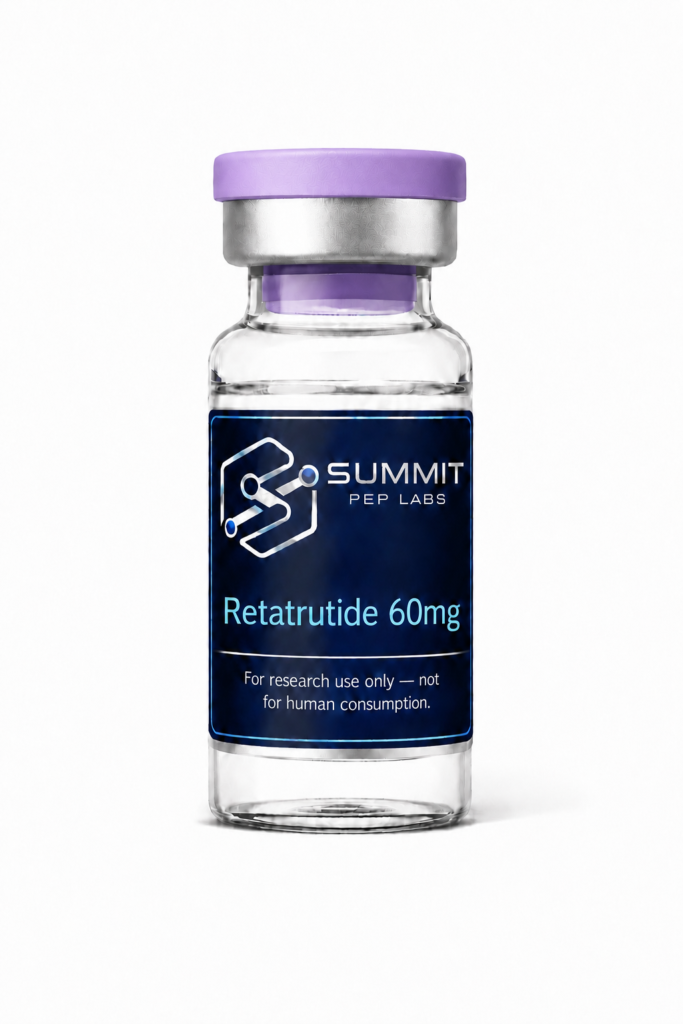
Triple agonists represent the next frontier. Compounds such as retatrutide have generated substantial scientific interest because they interact with three distinct metabolic pathways. Researchers are closely monitoring whether these multi-target strategies can provide new insights into energy regulation, body composition, and cardiometabolic physiology.
Artificial Intelligence and Peptide Discovery
Artificial intelligence is rapidly transforming how peptides are discovered and developed. Historically, identifying promising peptide candidates required years of laboratory screening and testing. Today, machine learning algorithms can analyze enormous biological datasets to predict peptide structures, receptor interactions, and potential molecular targets — dramatically shrinking discovery timelines.
The Growing Interest in Longevity Research
Longevity science has become one of the fastest-growing areas of biomedical research. Scientists are increasingly studying how cellular aging affects metabolism, inflammation, tissue maintenance, and overall physiological function. Several peptides are currently being investigated within broader longevity-related research programs, with researchers expecting this area to expand significantly over the coming decade.
Personalized Medicine and Precision Biology
Scientists increasingly recognize that individual genetic, metabolic, and physiological differences may influence biological responses. Future peptide research may involve biomarker-guided interventions, precision metabolic studies, and individualized treatment strategies — making peptides an important tool for understanding complex biological variability.
Improved Peptide Stability and Delivery Systems
Historically, one challenge in peptide development has been stability — many peptides degrade quickly within biological environments. Researchers are now exploring extended half-life formulations, novel carrier systems, sustained-release technologies, and enhanced molecular stability techniques that may unlock compounds previously too difficult to study.
Expanding Cardiometabolic Research
Following major advances in GLP-1 research, cardiometabolic health remains one of the most active areas of peptide investigation. Scientists are expanding their focus toward energy regulation, cardiovascular outcomes, inflammatory pathways, lipid metabolism, and body composition — making this one of the industry’s fastest-growing sectors.
Increased Regulatory Focus and Research Standards
As interest in peptides grows, researchers can expect greater emphasis on quality control, analytical testing, and regulatory oversight — including purity verification, identity testing, third-party validation, and manufacturing transparency. These developments are expected to strengthen confidence and consistency across scientific studies.
What the Next Decade May Look Like
Looking ahead, the future of peptide science will likely be defined by more sophisticated multi-agonist compounds, AI-assisted discovery, expanded longevity research, improved delivery technologies, precision biology approaches, increased cardiovascular focus, and higher manufacturing standards. Together, these trends suggest peptides will remain at the forefront of biomedical innovation for years to come.
Conclusion
The peptide research landscape is evolving rapidly. Advances in artificial intelligence, metabolic science, longevity research, and molecular engineering are opening new opportunities for scientific discovery. The next decade could represent one of the most transformative periods in peptide science for researchers, biotechnology companies, and scientific institutions alike.
Disclaimer: Products discussed are intended for research purposes only. This content is provided for educational and informational purposes and is not intended as medical advice, diagnosis, treatment, or prevention of any disease.
For Disclaimer: Products discussed are intended for research purposes only. This content is provided for educational and informational purposes and is not intended as medical advice, diagnosis, treatment, or prevention of any disease.